
An advanced industrial model in the Turkish wood district, driven by SCM innovation
- Furniture Technologies

A story of entrepreneurial growth rooted in the artisanal tradition of wood processing, evolving into a structured, modern and export-oriented industrial system. This is the story of Aslandağ Group which, through its two brands Artella and Tresette, is now among the leading Turkish manufacturers of doors and design furniture.
In a market such as Turkey’s - competitive, dynamic and increasingly open to global trade - Aslandağ Group has built its growth on three key drivers: production efficiency, consistently high quality standards and sustainable innovation.
A reference player for nearly fifty years in the wood, construction and trading sectors, the Turkish group now manufactures high-end interior doors under the Artella brand, as well as kitchen, living and bathroom solutions under the Tresette brand. The company has a strong manufacturing footprint in Turkey, with two production plants totaling 25,000 square meters between Istanbul Tuzla and Sakarya Kaynarca, and employs 200 people. Both brands are market leaders in their respective segments and are increasingly international in scope, with approximately 50% of total turnover exported to 25 countries, from Europe to the United States.
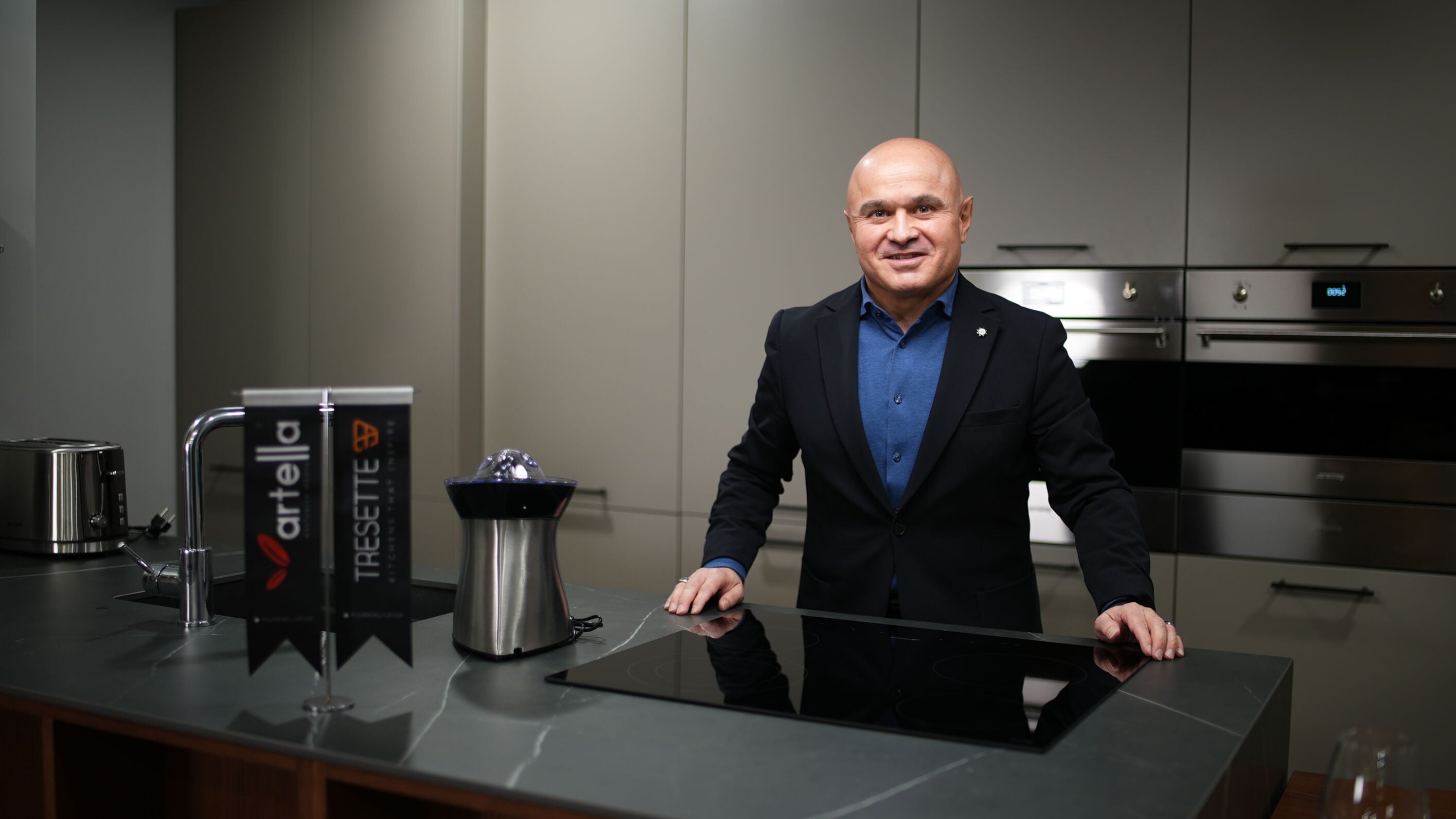
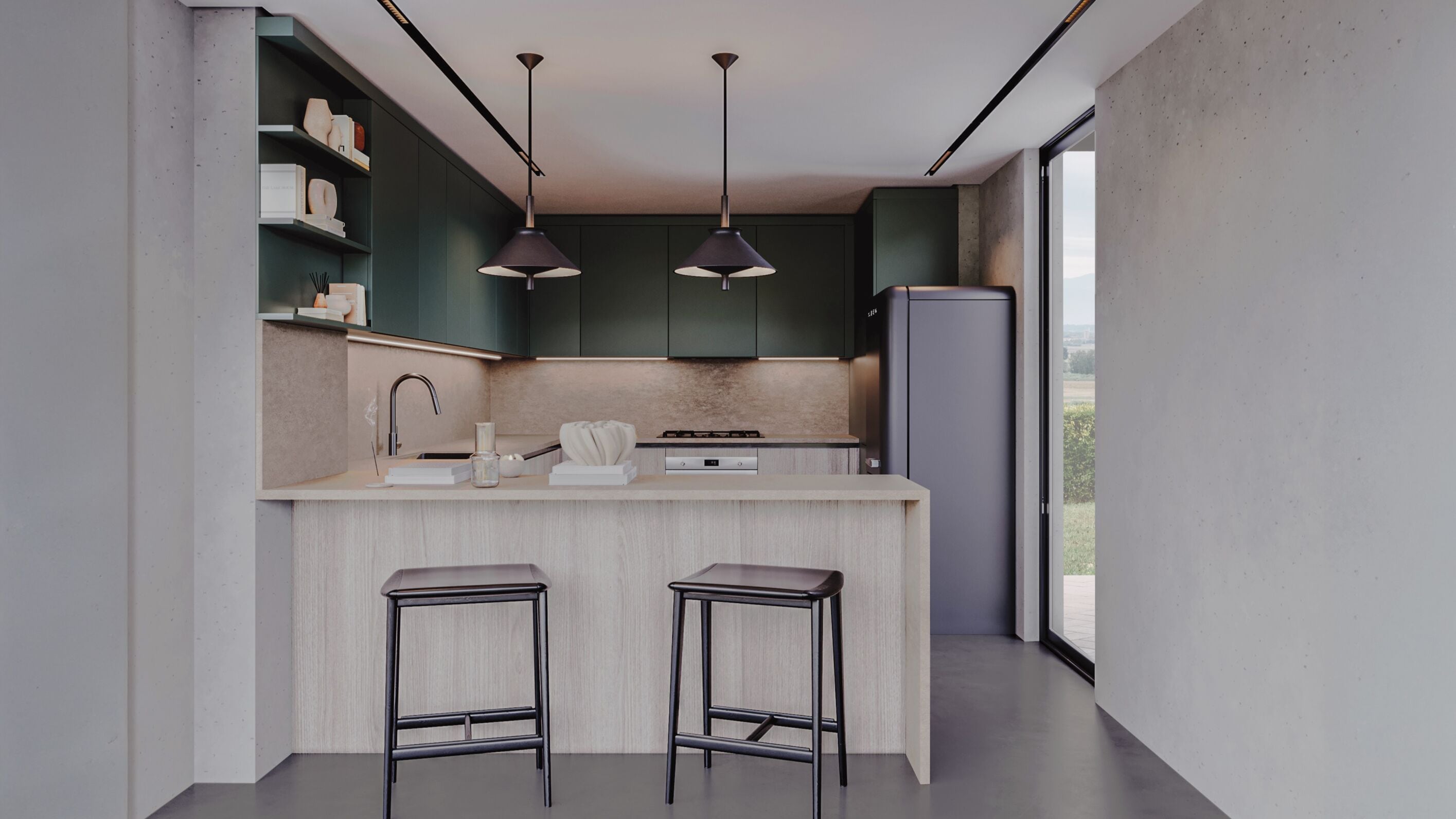
“By combining the natural texture of wood with a modern design approach, we produce door and kitchen solutions to high quality standards, targeting increasingly demanding international markets,” explains Aydın Aslandağ, Member of the Board of Aslandağ Group.
“For years, our sector was dominated by a production model based on experience and craftsmanship,” continues Aslandağ. “However, in line with the goals of sustainable quality and scalable growth for the Artella and Tresette brands, over the past twenty years we have transformed our production, quality control and operational processes, convinced that processes must be managed in a structured way. This approach has enabled us to compete in ambitious international projects.”
The company’s main business segments include large construction firms and contractors, architecture and interior design studios, the furniture and retail sectors, as well as private clients.
“Our goal is to maintain the highest level of customer satisfaction by providing fast, tailored support backed by a solid after-sales service,” adds Aslandağ. “If today we are able to offer complete solutions to different customer groups, it is thanks to a production infrastructure that is both flexible and increasingly lean and sustainable.”
The right partner for growth
In this evolutionary path, technology has played a strategic role. A key factor has been the collaboration with SCM, which has supported Aslandağ Group in developing a modern, automated and digitalized industrial system.
The company has installed several solutions from the Italian group and, regardless of the specific technology, the benefits are consistent across the board: increased production speed, consistent quality and the ability to flexibly manage even the most complex and customized projects.
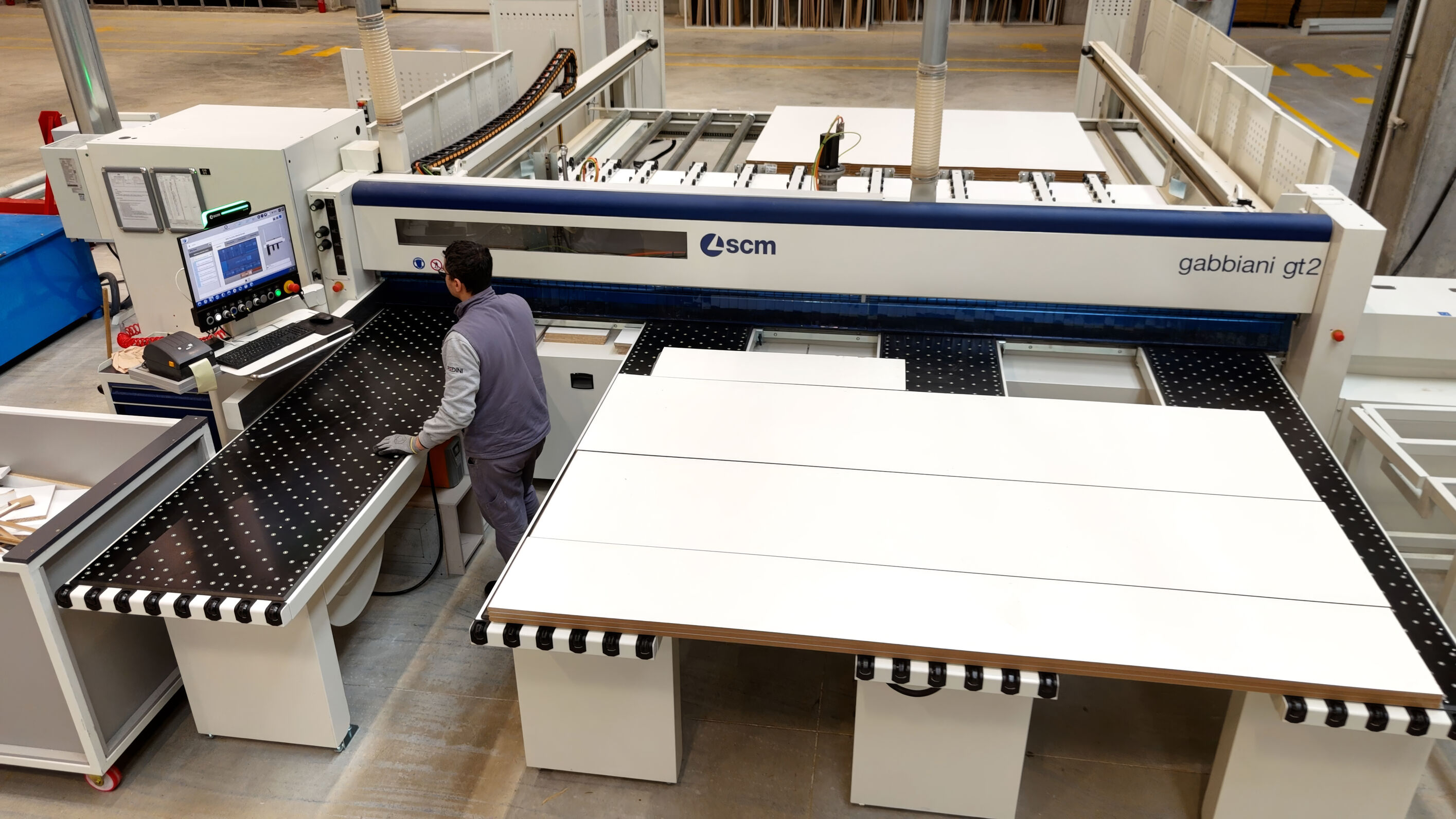
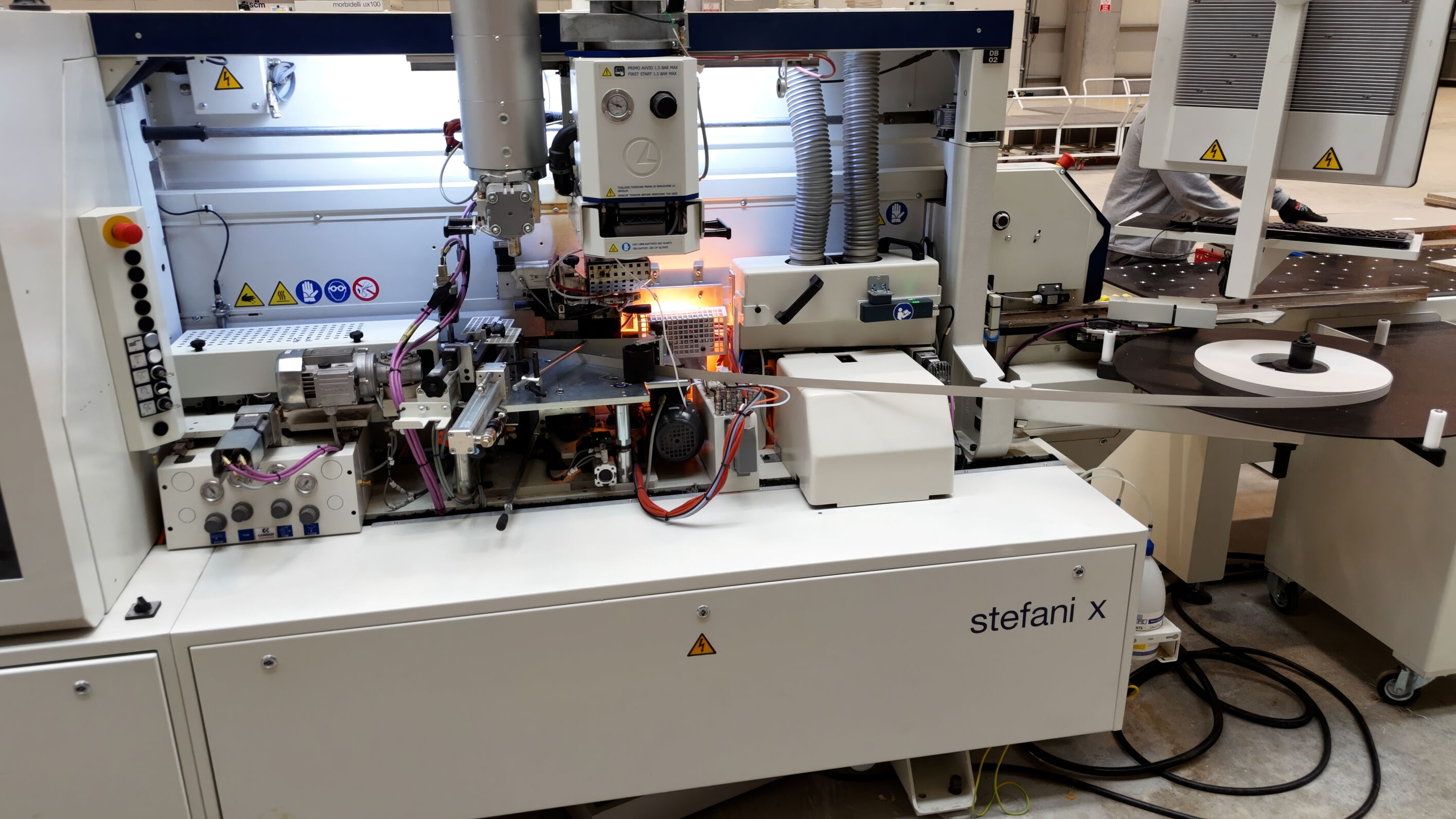
More specifically, each technology contributes to optimizing individual production processes.
The single-blade panel saw “gabbiani gt2”, one of the most recent installations at the Kaynarca plant, ensures a step change in cutting operations: “This machine allows us to achieve more accurate and precise panel cutting, making a significant contribution to raising our quality standards.”
Edge banding is carried out with the “stefani x” and “stefani kd” solutions, which ensure continuity and optimal finishing: “They enable us to achieve more uniform surfaces, higher quality and consistent results more easily, especially in mass production,” Aslandağ notes.
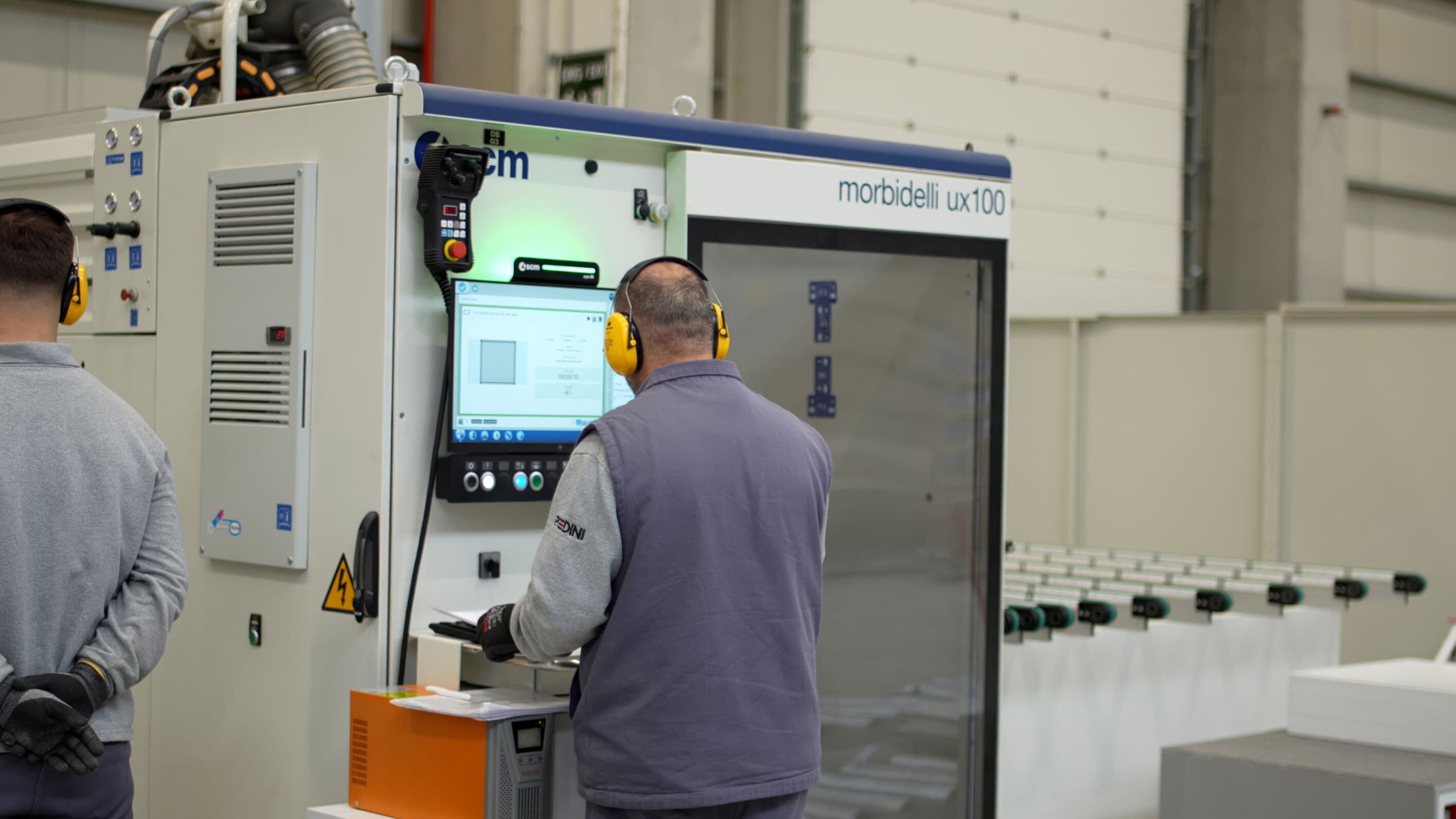
Accuracy is further enhanced by the CNC drilling and machining center “morbidelli ux100”:
“We have increased precision in our production processes thanks to the ability to perform perfectly accurate drilling and routing operations.”
Surface finishing has also significantly improved. With the sanding-calibrating machine “dmc sd 70”, the company has overcome challenges related to processing different materials: “In the past, it was difficult to manage differences between thin and thick coatings, and results were not always optimal. Today, surface quality has improved considerably.”
In the pressing phase, the “sergiani gs 90” ensures greater uniformity and control: “It allows us to perform more precise operations on laminated materials and surfaces, while also offering high versatility for different production needs.”
Finally, specific processes are supported by the electromechanical clamp “action e”, a manually loaded and unloaded solution that ensures high standards of quality and precision in cabinet assembly.
“Thanks to these technologies, which represent the core of our new production site, we have significantly improved process precision, quality and control. Production stability has increased, error rates have decreased and overall product quality has improved considerably,” emphasizes Aslandağ.
The result is a more reliable production system, capable of effectively meeting both the demands of mass production and the customized requirements of high-end customers.
Looking ahead
The growth path continues with targeted investments in automation and production capacity. Among the main objectives is the development of a new fully integrated production hub of 50,000 square meters by 2030, featuring even more advanced industrial systems.
“Our goal,” concludes Aslandağ, “is to become increasingly competitive on a global scale, creating value in the wood sector through an innovative approach and strong brands such as Artella and Tresette.”