
The digital factory of IVM Office
- Software and digital services

Digital integration as a fundamental pillar to remain responsive to the market and ensure customer satisfaction.
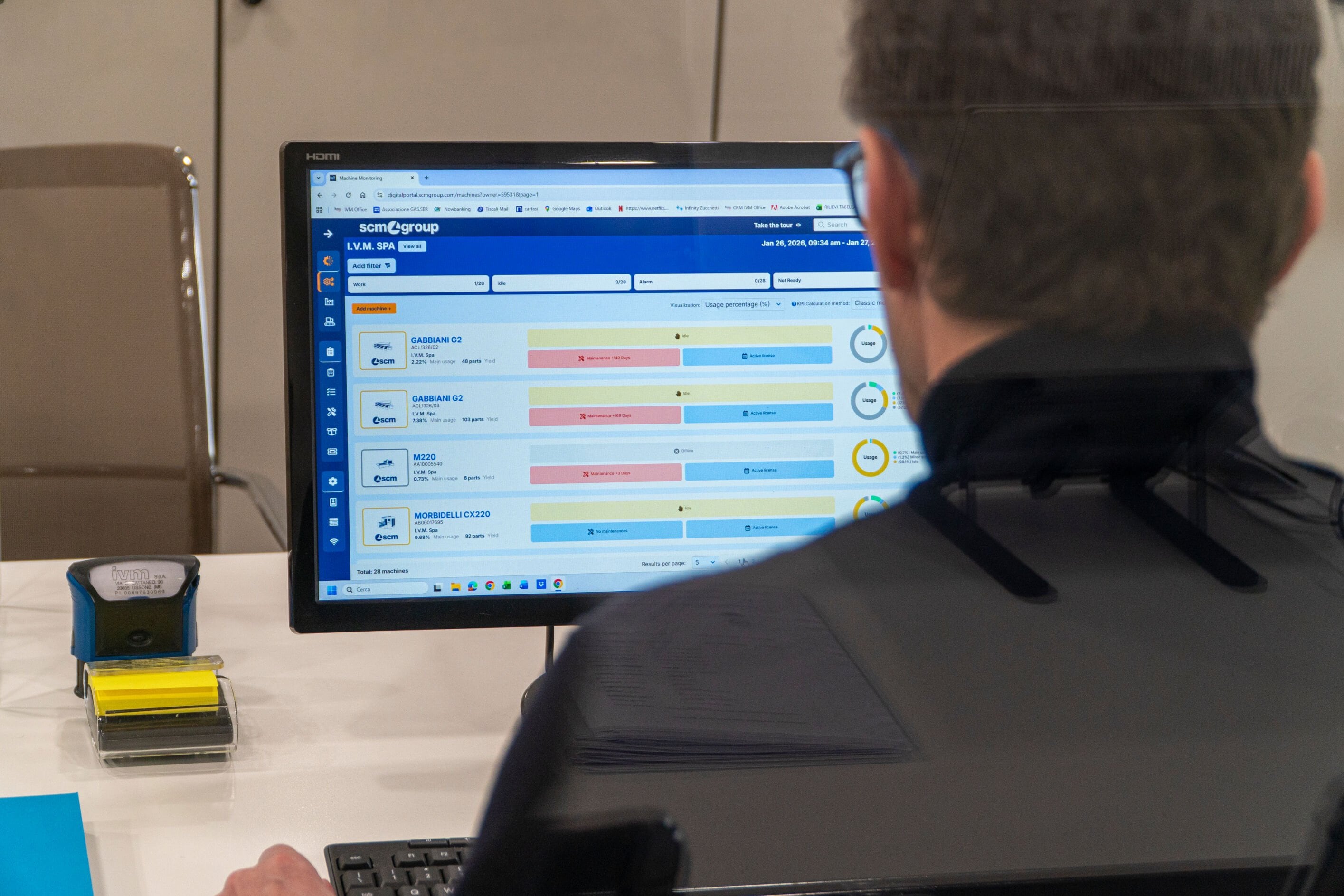
IVM Office has fully embraced the opportunities of Industry 4.0 and uses SCM’s IoT Solution services on a daily basis, integrated with its ERP system, to improve efficiency and monitor machine performance in real time.
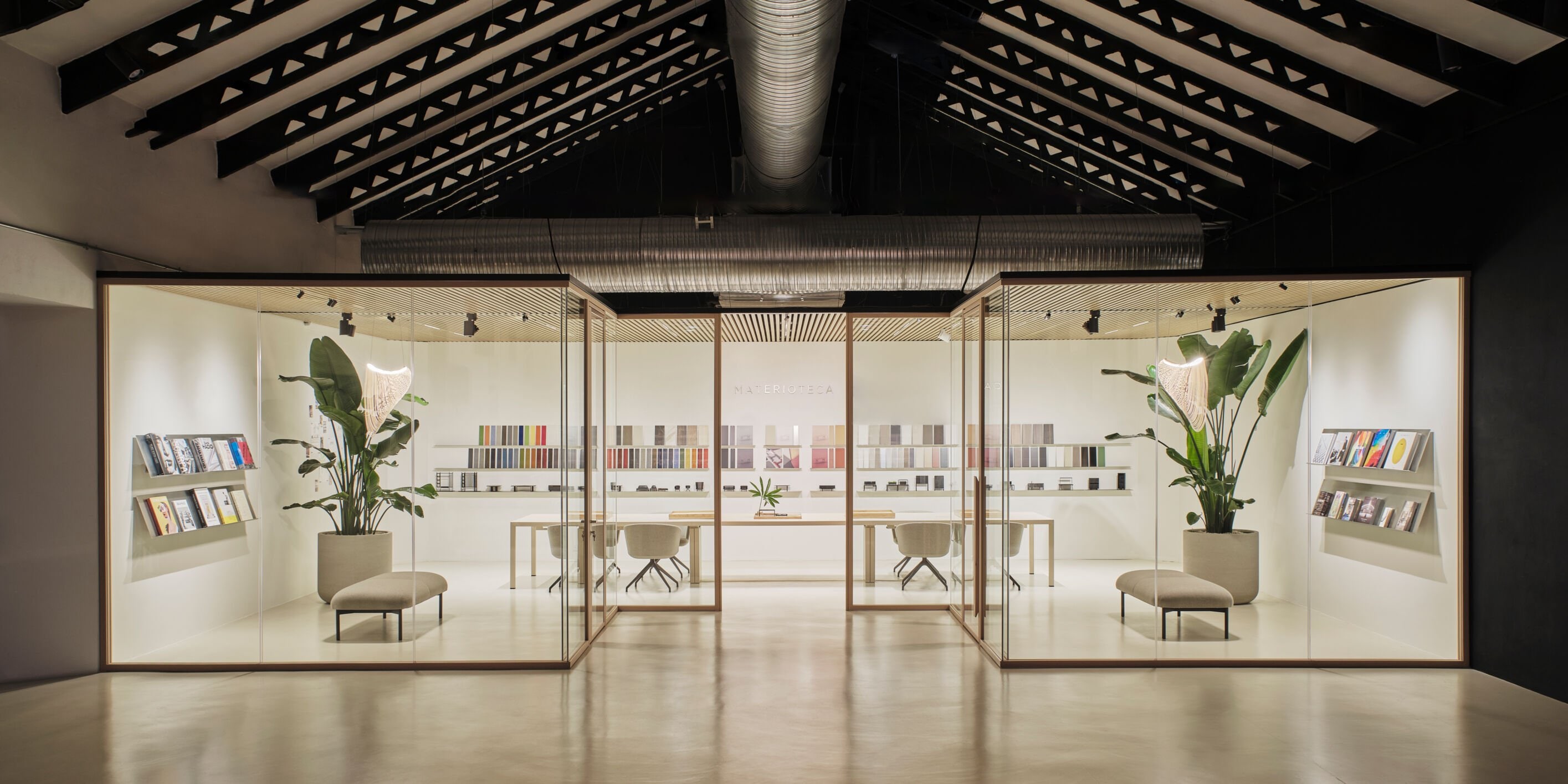
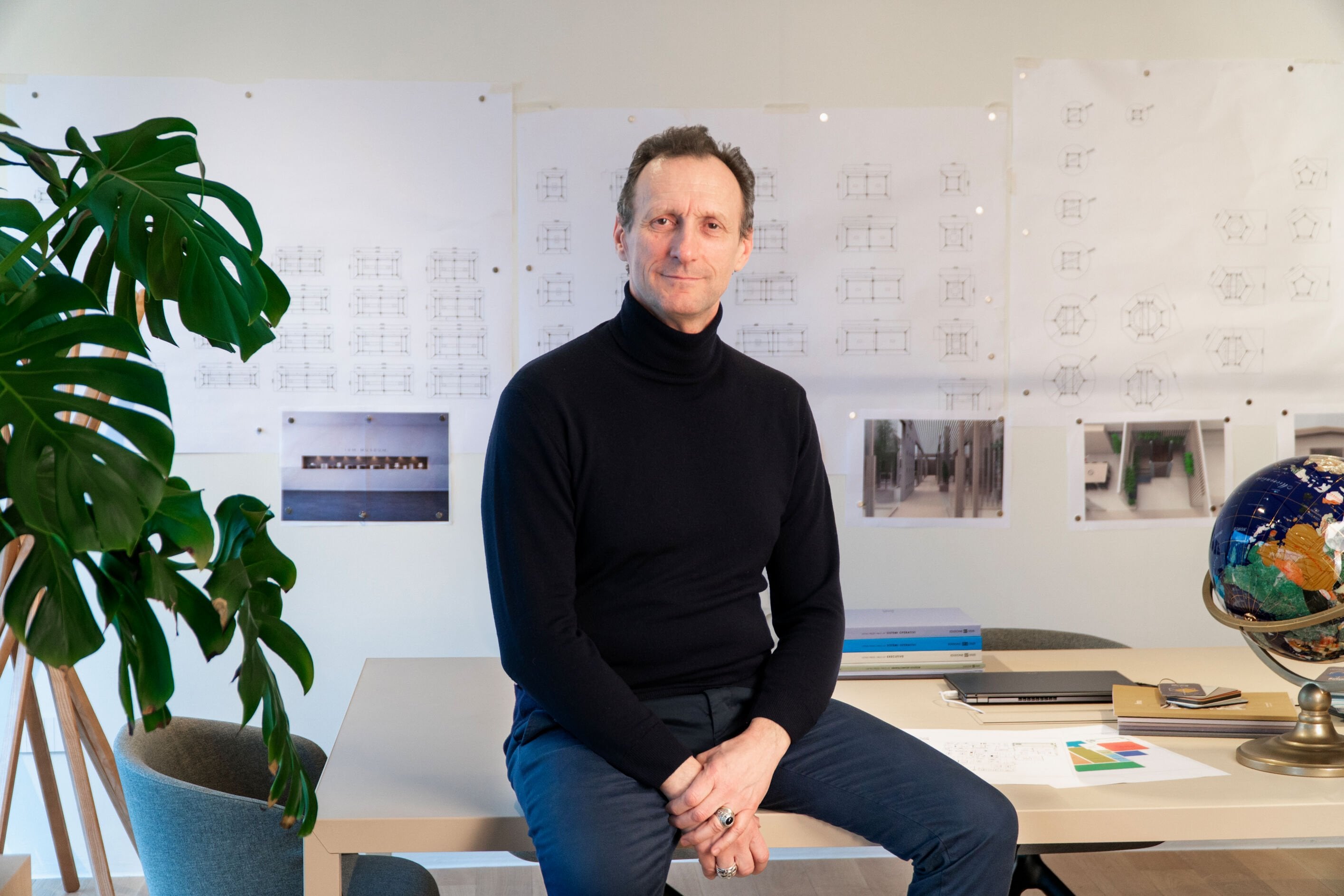
IVM Office is a company based in Lissone, in Brianza, specializing in office furniture and integrated workspace systems. Founded in 1948, the company is now led by Enrico Vergani, representing the second generation. IVM Office has always been strongly design-oriented, with a clear focus on workplace well-being. Its production ranges from partition walls to operative and executive desks, offering complete solutions for modern office environments.
Enrico Vergani shared how, in recent years, the market has undergone a rapid transformation in work environments and in the way office spaces are conceived. Responding effectively to these evolving needs requires IVM Office not only to advance its production technologies, but also to develop a parallel evolution in the digitalization of its systems.
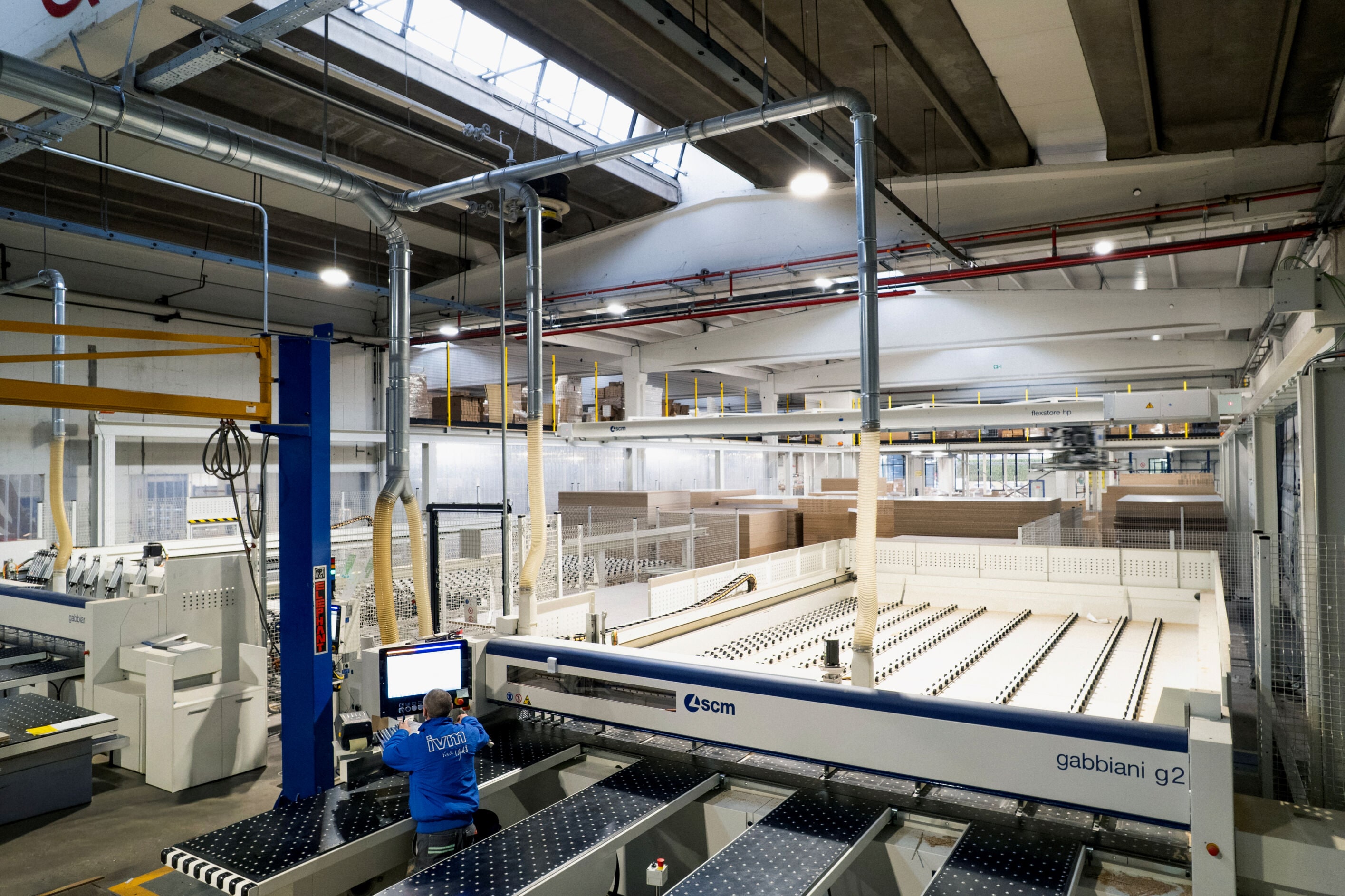
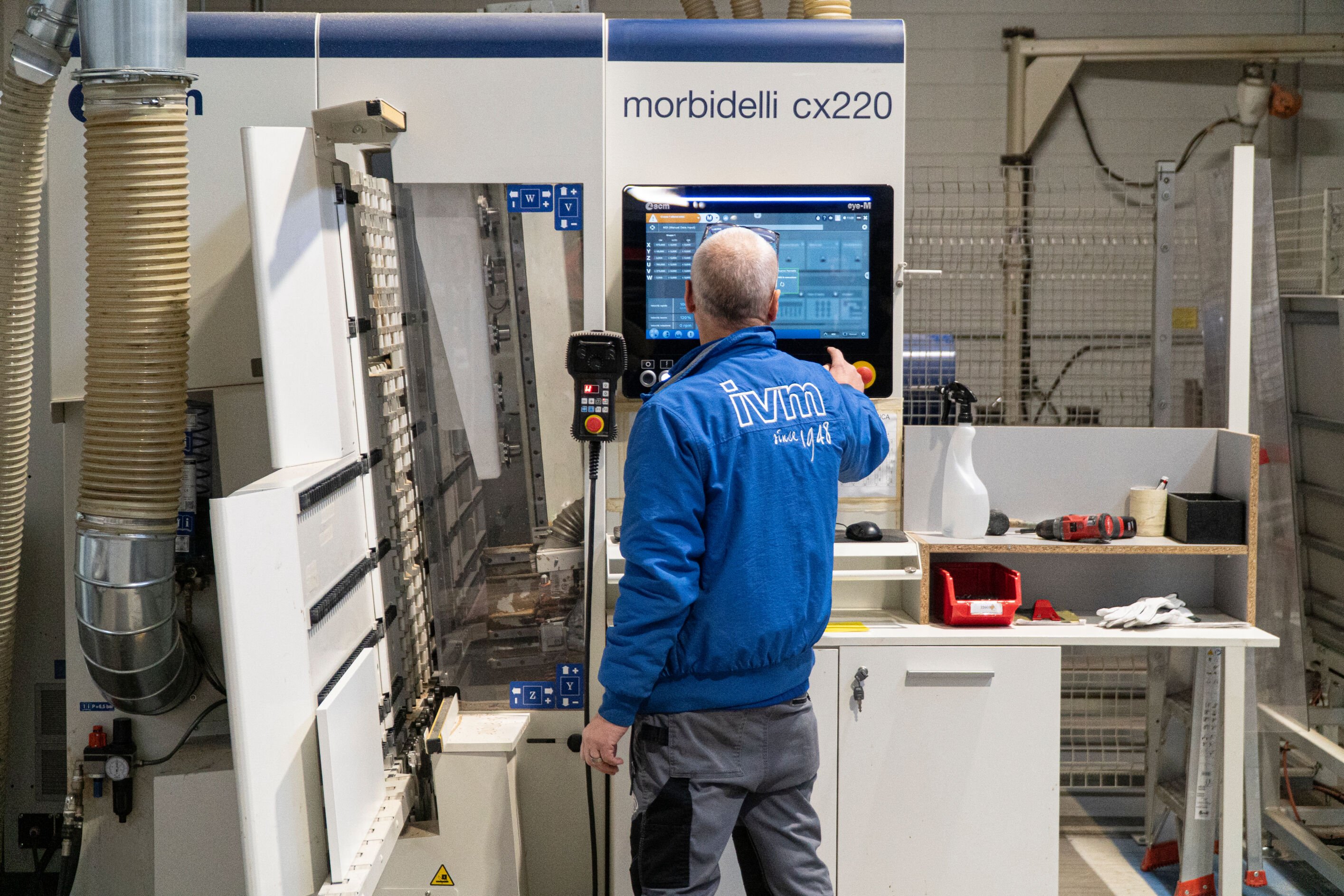
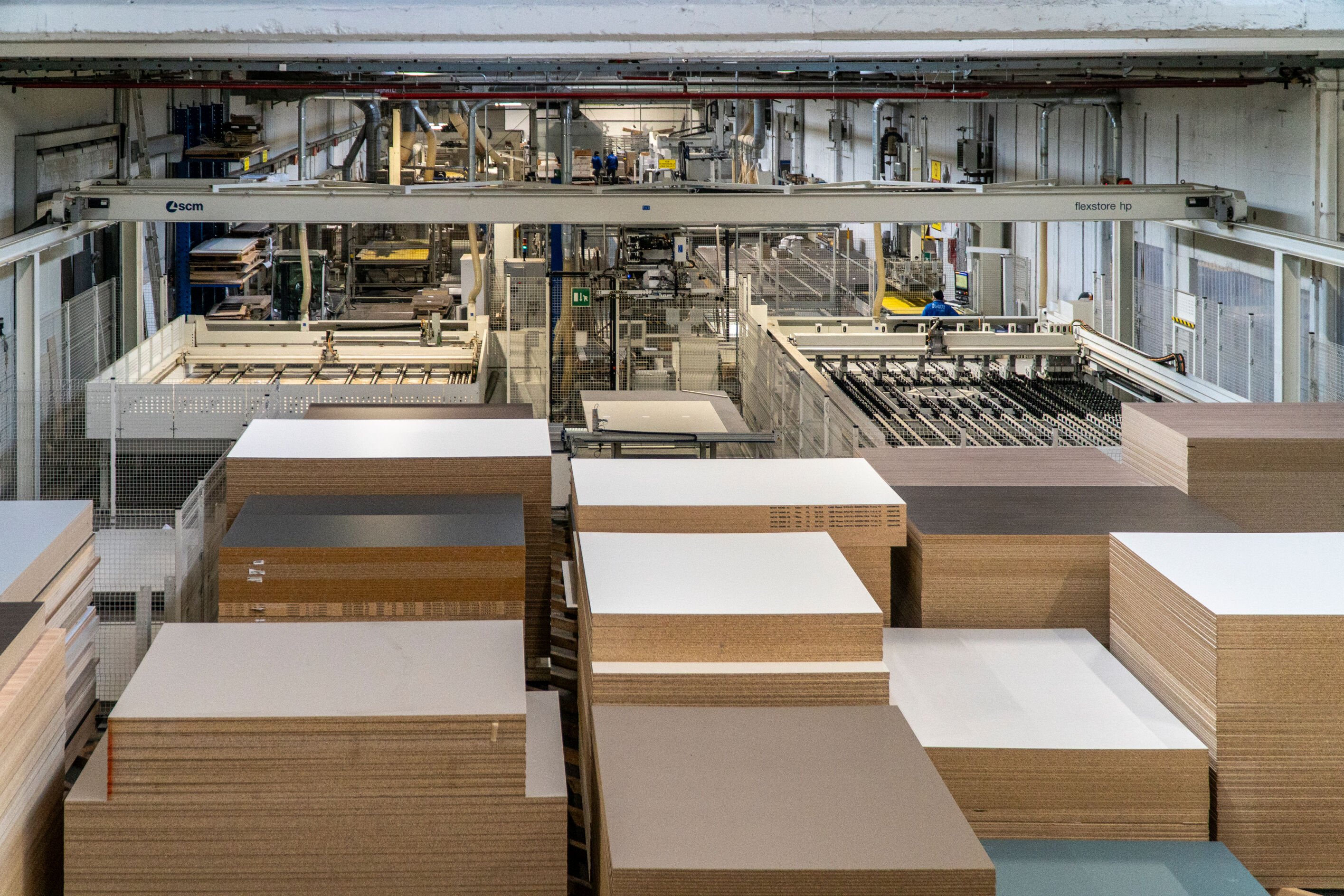
To support this transformation, the company has chosen SCM as its partner, investing in a wide range of machinery and automation systems covering the entire production process, including panel sizing cells, CNC machining centres, edge banding solutions and drilling technologies. The use of SCM’s IoT digital services, combined with the machines, is also significant and constant.
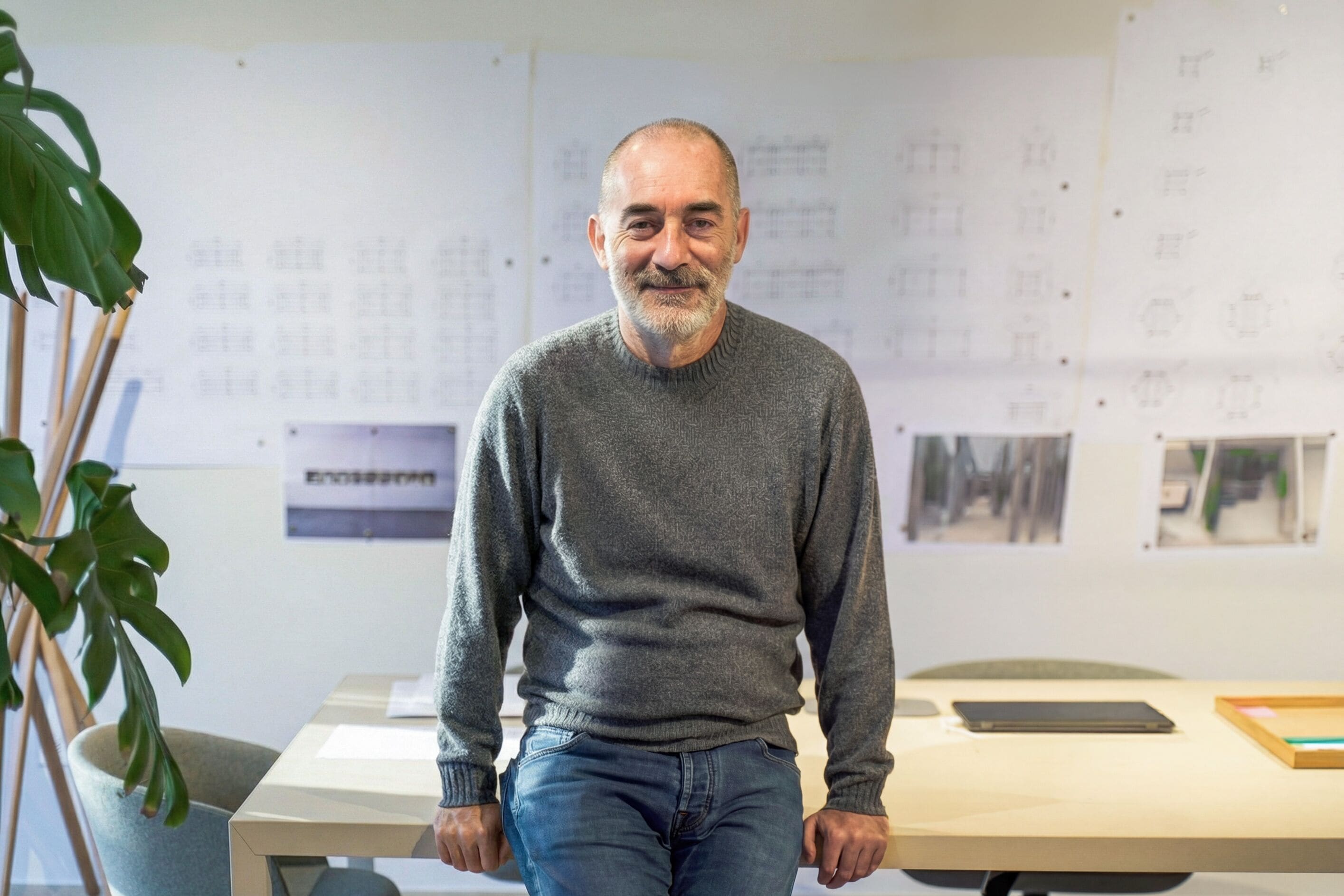
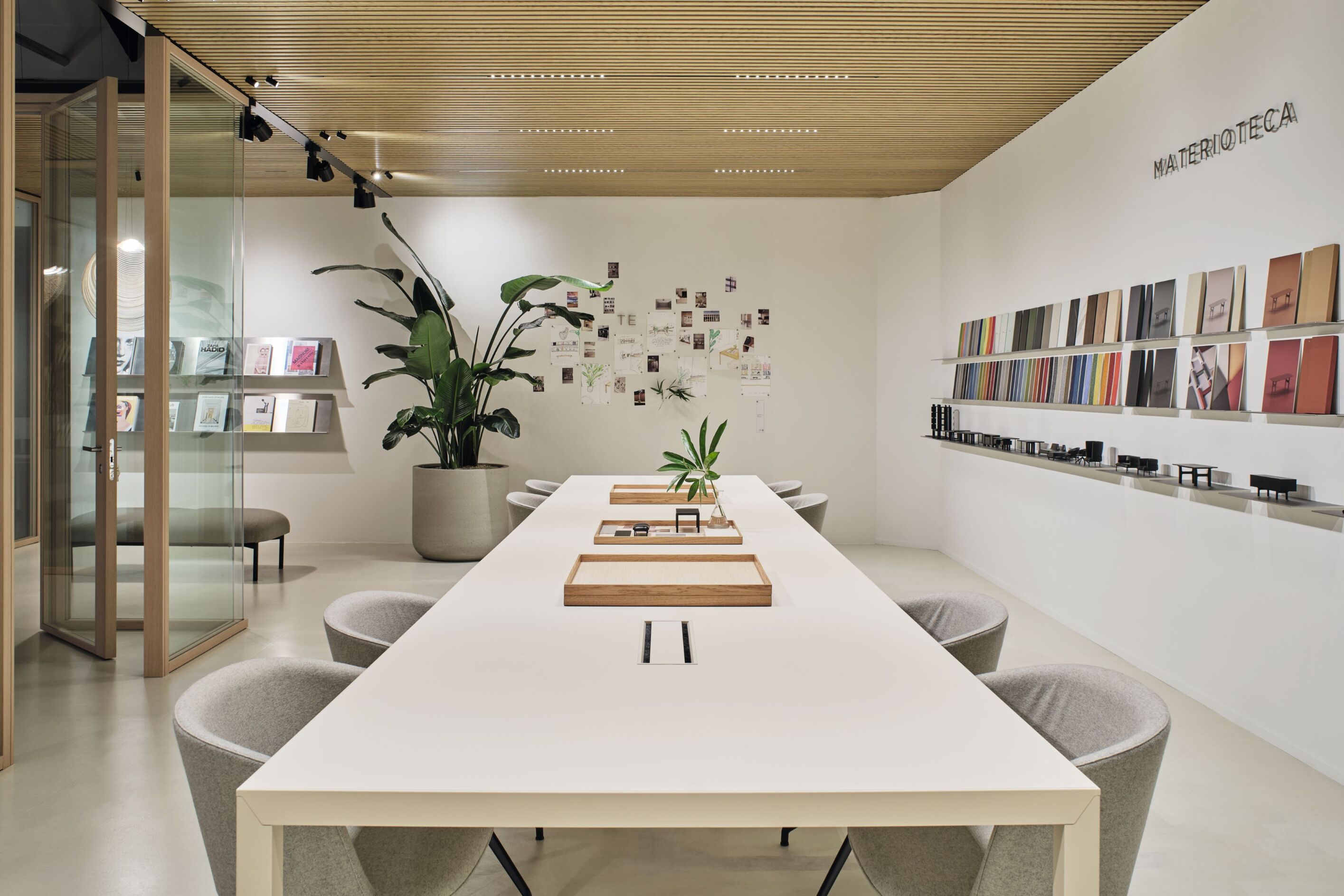
As Vergani explains: “It is increasingly important to ensure seamless integration between the design phase and the production process, so that the final product fully meets customer expectations. Given the growing complexity of this process, digital integration has become a fundamental pillar in achieving market responsiveness and customer satisfaction.”
Industry 4.0 has driven significant technological innovation within IVM Office. The company has fully embraced this opportunity and, today, Vergani confidently states that IVM Office is among the most technologically advanced manufacturers in the office furniture sector.
At the same time, the evolution of production technologies has made strong digitalization and IT integration essential. IVM Office has invested heavily in this area and believes it has reached a solid and satisfactory level of digital maturity.
When asked about the next technological challenges, Vergani identifies artificial intelligence as the key frontier. It opens up a vast and still largely unexplored landscape, with opportunities that are not yet fully defined. “As always, our approach will be to stay at the forefront, working closely with our partners to capture the value that these new technologies can offer.”
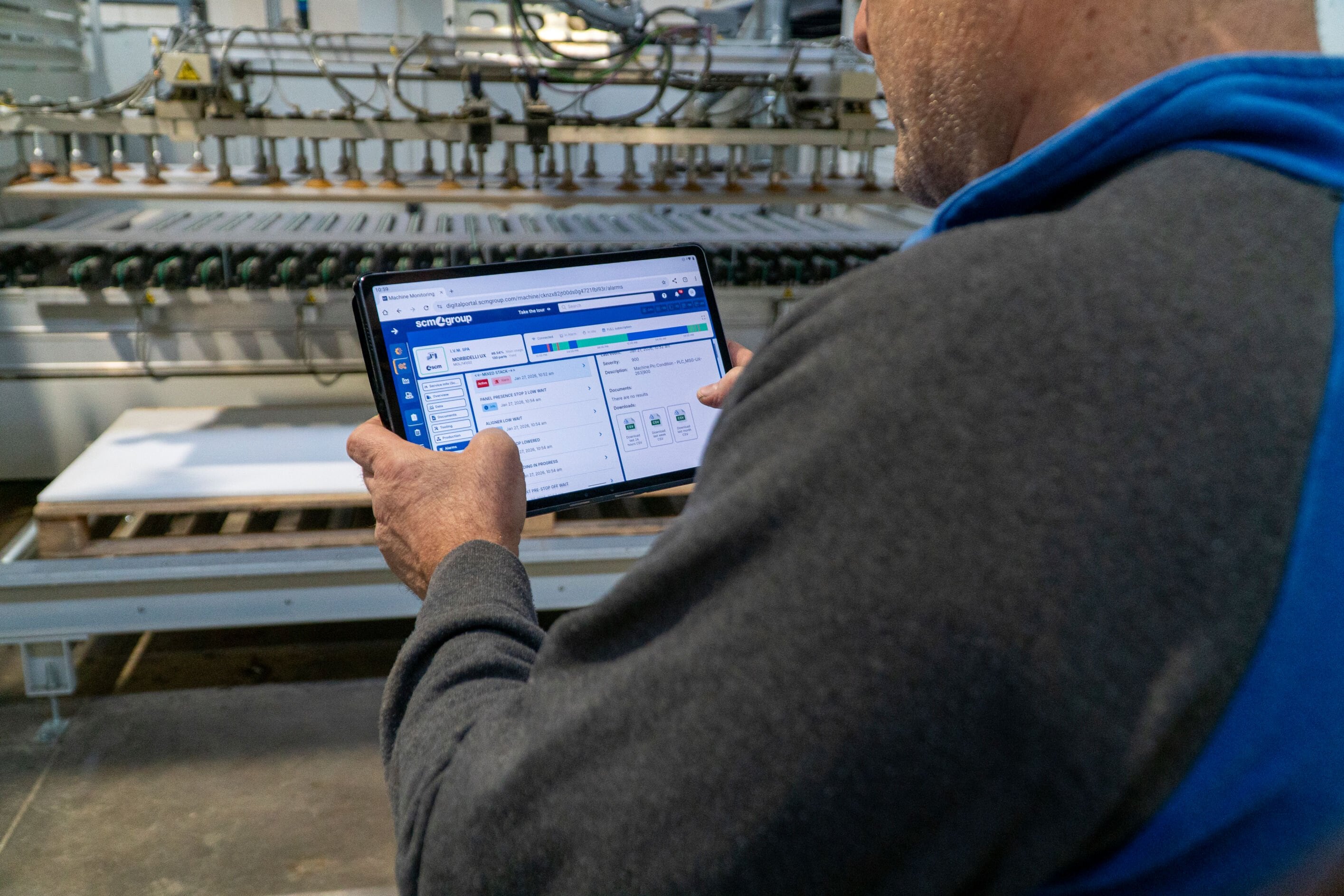
Data at the core of every decision-making process
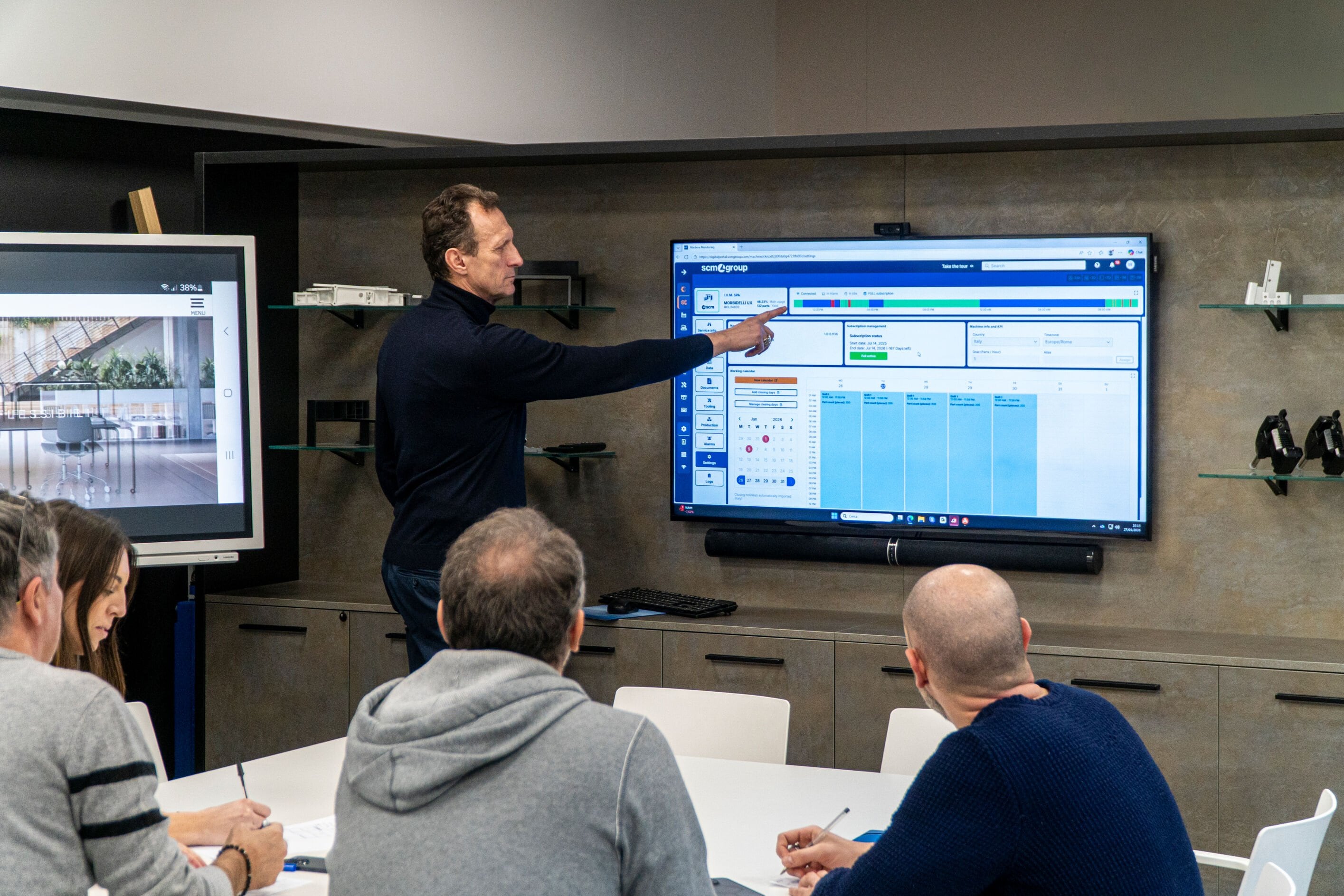
Alongside Vergani, we also gathered first-hand insights from Stefano Colciago, R&D Manager at IVM Office. We discussed the adoption and impact of SCM’s IoT Solution, which he and his team use daily in production.
Why did you decide to adopt SCM’s IoT Solution?
“Although IVM was already a fairly digitized company, we began exploring SCM’s IoT Solution to overcome the limitations of traditional monitoring systems and improve production planning. We felt we were not fully leveraging our machines. The lack of precise data made it difficult to perform timely and in-depth analysis. We often had to estimate downtime and manually track production cycles, which limited our ability to intervene proactively”.
How was the implementation process?
“The integration process was straightforward. The interface is intuitive, and SCM’s technical support was highly effective. From machine connectivity to operator training, the transition to a connected production environment was faster than expected”.
What results have you achieved with the IoT Solution?
“The benefits have been significant. We have improved overall production efficiency and can now monitor machine performance in real time. This allows us to identify potential issues before they occur and optimize production scheduling. We make extensive use of alarms and performance dashboards, which provide clear, actionable insights. Data has become a key decision-making tool, helping us identify where to intervene and ultimately reduce operational costs”.
How do you see the evolution of your Control Room?
“Today, our Control Room monitors machine performance and alerts us in advance when anomalies occur. In the future, we expect it to become more interactive, with the ability to suggest automated actions to prevent downtime and further optimize production processes”.
What message would you give to companies considering digital transformation?
“Digital transformation should be seen as an opportunity, not a complication. With an IoT solution, companies can immediately benefit from key functionalities such as real-time monitoring, downtime alerts, and advanced data analysis. Access to this information enables faster and more accurate decision-making. Implementing such a solution is a simple yet crucial step in accelerating the digital journe”.
What are your future objectives?
“Our goal is to continue leveraging IoT technologies to make production increasingly efficient and predictable. Today, the solution already integrates effectively with our ERP system. Moving forward, we aim to focus on even more advanced and precise data analysis to further enhance performance”.